



What to Ask a Venue Before You Open Ticket Sales
Opening ticket sales feels like progress. Real progress. The poster’s out, the cast is buzzing, the community’s excited. And then… the venue details show up late. Or half-right. Or wrong in that quiet, expensive way.
Here’s the thing. Most ticketing disasters don’t come from bad marketing. They come from unanswered venue questions that nobody thought to ask early. Especially in performing arts and community events, where seating charts, accessibility, and staffing are not suggestions. They are the whole show.
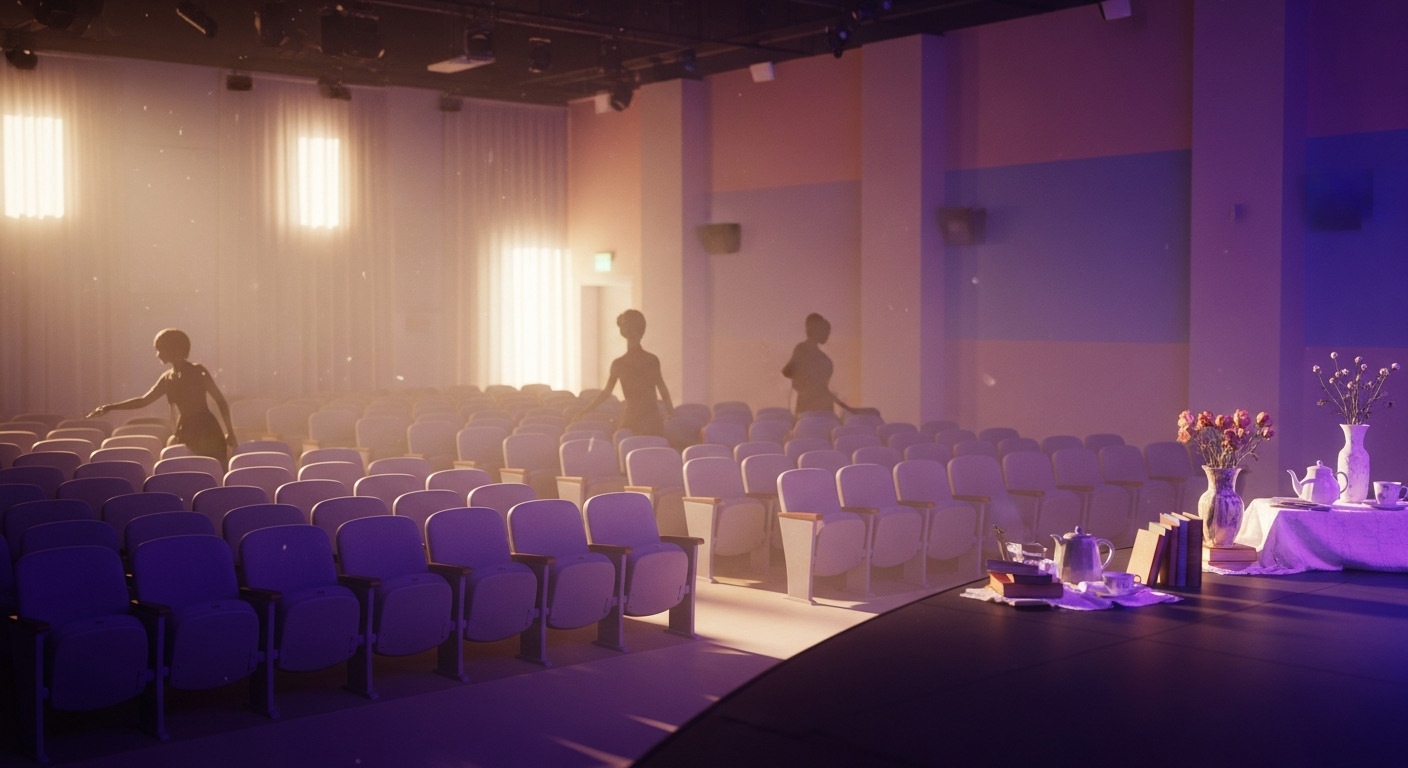
Let’s slow it down for five minutes and ask smarter questions now, before the first ticket goes live.
Seating Isn’t Just Seats. It’s Expectations.
You’d think seating is straightforward. Row A, Seat 1. Done. Honestly, that’s where trouble starts.
Ask the venue things like:
-
Is the seating fixed, flexible, or “mostly fixed unless we move it”?
-
Are there obstructed views that locals already complain about?
-
How are aisles counted and labeled in real life, not just on paper?
-
Can seats be removed for accessibility or special needs?
You know what? This is also where friendships get tested. Someone buys “front row” and ends up behind a pillar. Someone else can’t sit with their group because the chart looked cleaner than reality. These moments don’t feel like ticketing problems to attendees. They feel personal.
If the venue has hosted similar shows, ask for photos. Not diagrams. Photos.
Accessibility Isn’t a Checkbox. It’s a Promise.
Every venue says they’re accessible. The definition varies wildly.
Get specific:
-
How many wheelchair spaces exist, and where are they really located?
-
Are companion seats guaranteed or first-come?
-
Are ramps, elevators, and restrooms available during your event hours?
-
Who manages accessible seating on show night, venue staff or yours?
This affects ticket configuration directly. If accessible seating isn’t properly set up before sales begin, fixing it later feels like surgery with a butter knife. Possible, but nobody enjoys it.
Staffing Questions That Matter More Than You Think
Staffing sounds operational. It’s emotional,
Ask early:
-
Who handles front-of-house staffing?
-
How many ushers are provided, and when do they arrive?
-
Who scans tickets, and with what equipment?
-
Who answers audience questions when something goes sideways?
Here’s a mild contradiction. More staff doesn’t always mean smoother entry. But unclear roles always mean chaos. If your volunteers think the venue handles scanning and the venue thinks you do, guess who the audience asks? You.
Ticket sales should reflect staffing reality. Door sales, late seating, will-call lines. These aren’t abstract ideas. They are people standing in line, checking watches, getting cranky.
Timing Changes Everything
Once you know seating, access, and staffing details, the ticketing setup gets easier. Faster too.
You might:
-
Hold back certain seats until staffing is confirmed
-
Limit door sales because entry flow is tight
-
Adjust pricing based on sightlines that are, let’s be honest, not equal
The Calm Ending You Want
Asking these questions won’t make your event perfect. That’s not the goal.
The goal is fewer apologies. Fewer refunds. Fewer “we didn’t know” moments said through clenched teeth. When ticket sales open after venue realities are clear, everything downstream feels steadier.
Less scrambling. More confidence. And a show night where the drama stays on stage, where it belongs.