



A Practical Guide to Selling Tickets at the Door Without Killing Online Sales
Let’s clear something up right away. Selling tickets at the door is not a failure. It’s not old school. It’s not anti-digital. For a lot of community events, theater productions, and nonprofit fundraisers, door sales are still part of the rhythm. People decide late. Plans change. A friend texts, “You coming?” and suddenly you’ve got a warm body and a credit card at the door.
Here’s the thing though. If door sales are easier, cheaper, or feel more rewarding than buying online, you’re quietly training your audience to wait. And that’s where things get messy.
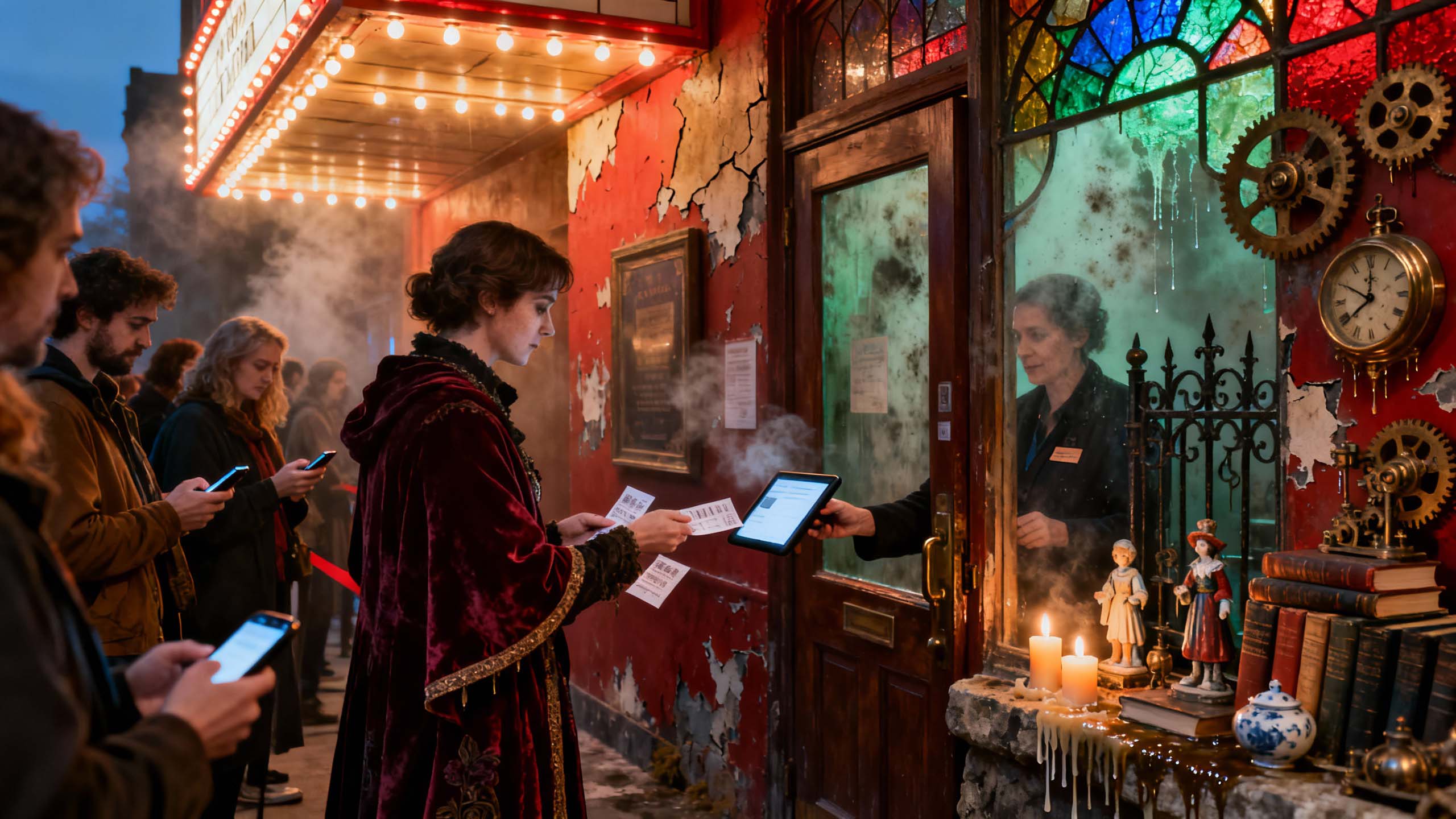
Door sales aren’t the villain. Confusion is.
Most organizers don’t mean to hurt online sales. It just happens. The door price is the same as online. Or worse, lower. Fees disappear at the door. Staff wave people through because the line is long and the vibe is good.
You know what? Audiences notice all of this. They compare notes. Humans are excellent at sniffing out shortcuts.
If buying online feels like homework and buying at the door feels like a win, guess which habit sticks.
Pricing psychology does most of the heavy lifting
You don’t need complex math here. You need clarity and a little backbone.
Online tickets should always feel like the smart move. That can mean a slightly lower price, a bonus perk, or simply the peace of mind that comes with having it handled. Door tickets can exist, but they should carry a subtle tax for waiting.
Not a punishment. A reminder.
Common approaches that actually work:
- Online tickets cost a few dollars less than door tickets
- Online buyers skip the line, even if the line is short
- Certain seat sections or ticket types are online only
This isn’t about squeezing people. It’s about signaling value. Like boarding a plane. Everyone gets there, but some folks get on earlier for a reason.
Lines send messages, whether you like it or not
Here’s a small digression that matters. The physical experience at your event teaches people how to buy next time.
If the door line looks chaotic, understaffed, or awkward, some guests will swear off door buying forever. That’s good for online sales later. If the door experience looks smooth, fast, and friendly, people remember that too.
Honestly, this is where many events accidentally sabotage themselves. They pour effort into marketing and ticket pages, then treat the door like an afterthought.
Staff the door well. Use clear signage. Make prices visible before someone commits to the line. Surprises at the front of the line create resentment, not urgency.
Tech should reduce friction, not create loopholes
Modern ticketing tools make hybrid selling easier than ever, but only if you set them up with intention.
If your system allows real-time inventory updates, use them. If it supports mobile scanning, lean into it. Platforms like Purplepass exist to handle both online and door sales in one place, so you’re not reconciling numbers on a napkin at intermission.
But guardrails matter. Cut off online sales at a sensible time, not hours early unless you have to. Make sure door staff aren’t accidentally offering deals that don’t exist online. One well-meaning volunteer can undo weeks of smart pricing in a single sentence.
Yes, door sales can help online sales. Really.
Here’s the mild contradiction. Door sales don’t have to compete with online sales. They can support them.
When someone buys at the door, that’s a chance to capture an email, mention upcoming events, or quietly note that buying ahead next time saves money and stress. Not a lecture. Just a nudge.
People aren’t anti-online. They’re anti-friction.
The balance is the whole point
Selling tickets at the door is about meeting people where they are. Protecting online sales is about planning for where you want them to be next time.
Do both. Be intentional. Watch behavior, not assumptions. And remember, your ticketing strategy isn’t just about tonight’s event. It’s teaching your audience how to show up in the future.