



How Hybrid and Multi-Day Events Change Ticketing Strategy
Hybrid events blend in-person and online participation, while multi-day events spread content and community across two or more days. Both aren't just a format tweak. They're a different way to design experiences and a different way to sell them.
The pandemic accelerated virtual adoption, but the preference for choice has stuck. Hybrid models let people attend from anywhere, while multi-day formats create depth and momentum. Both models upend traditional single-day ticketing, which usually assumes:
-
One venue
-
One date
- One price
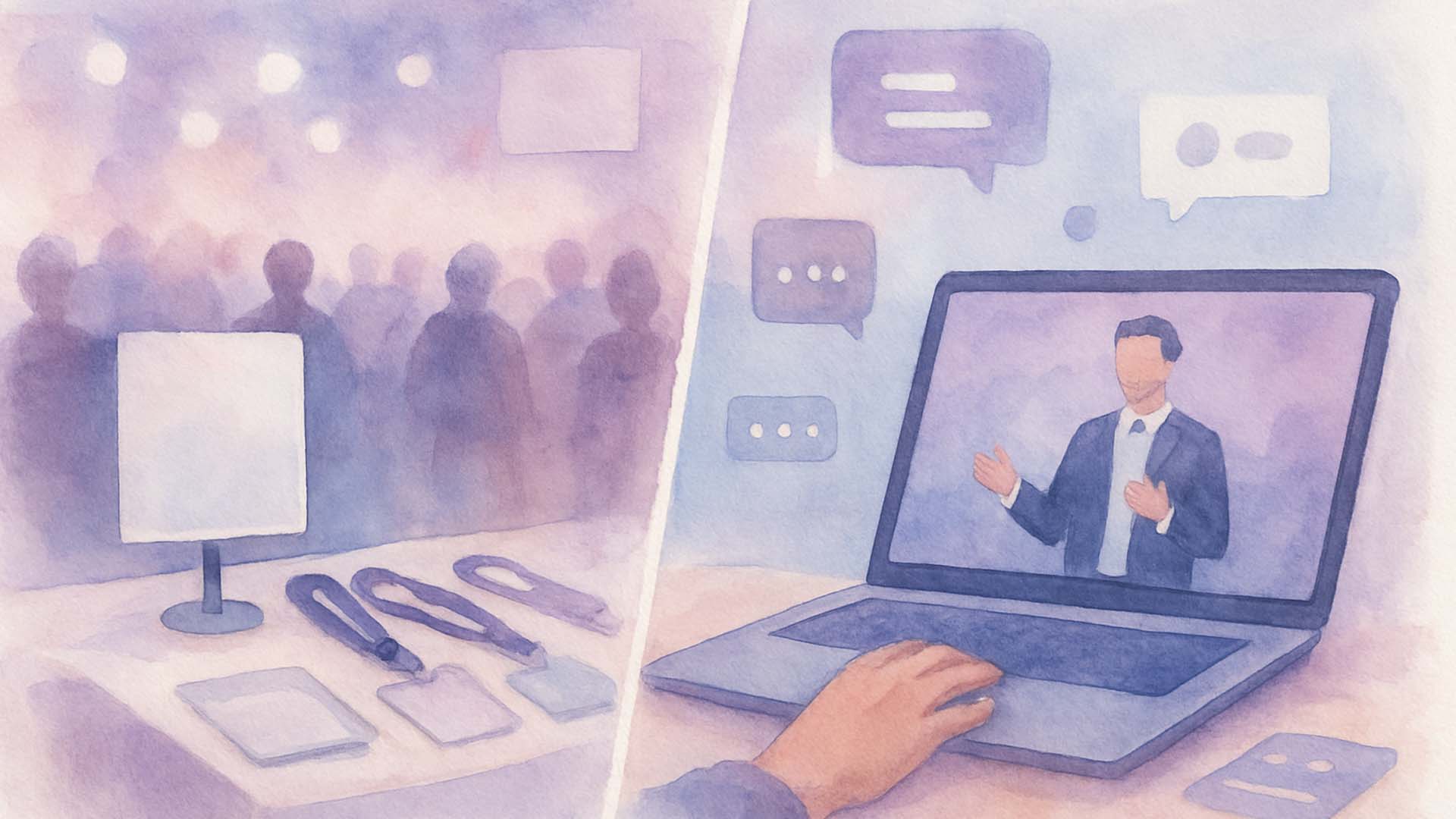
When you change the experience, you have to change how you package and price it. If you've ever tried to fit hybrid or multi-day events into a single "General Admission" button, you know the friction. Read on to learn how hybrid and multi-day events require you to change your ticketing strategy.
Understanding Hybrid and Multi-Day Events
Hybrid and multi-day events sit at the center of event trends in 2026. These are driven by demand for flexibility and deeper engagement. Here’s what you need to know:
Hybrid events: Going online and offline
At a simple level, a hybrid event offers a connected experience to two audiences:
-
People on site
-
People participating online
For example, you can livestream a workshop while selling custom hoodies or other event merchandise through an online store. This gives both audiences a shared experience and a way to support the event.
Hybrid benefits are straightforward
-
Bigger reach
-
Lower travel barriers
-
More data points to understand your audience.
Attendees get choice and accessibility. Organizers get resilience and new revenue lanes, like sponsorship deliverables and on-demand libraries.
On the logistics side, hybrid events demand strong streaming infrastructure and event technology:
-
Live chat
-
Moderated Q&A
-
Polls
-
Networking rooms.
Multi-day events: Marking the calendar straight
Multi-day events stretch a theme over time:
-
Two-day conferences
-
Weeklong festivals
-
Training intensives
-
Multi-stage sports meets
The character is in the pacing. You're building arcs like opening moments and a finish that feels worth staying for. Compared to a single-day event, data-driven planning is less about one big peak and more about plotting attention across multiple days and venues.
There are real advantages here:
-
Organizers can showcase more programming and balance crowds.
-
Attendees get options:
-
Pick one day that fits their schedule.
-
Settle in for a full run.
-
Soak up everything
-
For multi-day formats, event planning ideas should focus on pacing. Build a schedule that feels like a story, not a list.
Challenges of Ticketing for Hybrid and Multi-Day Events
Once you mix formats or spread across days, ticketing gets more nuanced.
Pricing puzzles become real. An in-person badge with meals and venue overhead isn't the same as a virtual access pass, and both differ from an on-demand library. Price fences matter, where attendees need to understand what they're paying for.
Access complexity multiplies fast. You might offer single-day tickets, full passes, session add-ons, VIP meet-and-greets, and digital-only options. Now layer on on-demand replays and upgrade paths mid-event. Without a plan, it can feel like a restaurant menu…too long to read!
Tech and validation get harder. Hybrid ticketing means verifying a badge at the door and an access code online. Your ticketing platform needs to seamlessly manage both physical badge printing and virtual access codes.
Take it from Tom Rockwell, CEO of Concrete Tools Direct. He had his fair share of holding hybrid events post-pandemic and multi-day events for the product exhibits of their concrete tools.
Rockwell says, “Once you run hybrid or multi-day events, you quickly realize ticketing is about managing expectations. In-person, virtual, and on-demand audiences all value different things, and if your ticket structure doesn’t make those differences clear, confusion shows up fast. The smoother your access and validation process is, the better the experience feels for everyone.”
New Ticketing Strategies for Hybrid Events and Multi-Day Events
Hybrid and multi-day formats change how people attend, so ticketing needs to reflect real choices and real value. Use an event planning checklist to track ticket types, access codes, and on-demand content delivery. Below are new ticketing strategies to implement:
For hybrid events
-
Build tiered value. When you build ticket tiers, also plan your event marketing ideas around them. Promote early-bird pricing, highlight VIP perks, and use targeted ads for each audience. Remember, you should go beyond pricing tiers!
-
Use dynamic pricing. This should reflect access and timing. Early virtual tickets can encourage live participation. Pricing for on-demand libraries can rise after the event as the content set grows. For in-person, use inventory-based price jumps tied to capacity or calendar milestones.
-
Offer upgrade paths. Let virtual attendees upgrade to in-person if travel plans change. Also, allow in-person buyers add on-demand access so as not to miss simultaneous sessions. Time-box these offers to encourage quick decisions.
-
Reduce friction in buying. Integrate your online platform so that one purchase unlocks both the badge and the virtual portal. Clear ticket registration and instant access instructions matter.
For example:
Picture a trade show showcasing a Vertical Lift Module on the expo floor while the demo streams live on social media. In-person attendees get hands-on experience, while online viewers watch and interact remotely.
This is where tiered tickets and upgrade paths matter. You can sell virtual access for the livestream, then let online viewers upgrade to in-person if they want the full demo experience.
For multi-day events
-
Bundle with intention. Offer full-experience passes with savings versus single days (make sure the math is easy to see). Add perks that unlock only for multi-day buyers, such as early venue entry or preferred seating.
-
Shape the timeline. Roll out early-bird tiers, then shoulder periods with targeted offers like Bring-a-Friend Friday or Saturday Night Add-On. As you reveal headliners or schedule highlights, tie price moves to those announcements. That way, buyers see the value rising!
-
Communicate the arc. Use programming previews and day-by-day itineraries. Also, showcase content teasers to show why each day matters. That visual journey map isn't just decoration, as it converts browsers into buyers.
-
Convert during the event. Multi-day events generate rich behavioral data that smart organizers use to refine their strategies in real-time. Track which sessions drive the most cross-day purchases and monitor when attendees typically make their buying decisions.
For example:
Imagine a multi-day pool festival with swimming lessons, water polo games, and fun activities like floatie races and poolside socials.
You can sell single-day tickets for a single session, or full-event passes for the full experience. Highlight the best water activities and promote pool fences as part of your safety message so attendees know the event is both fun and safe.
Kicking up Your Ticketing Strategy up a Notch
Hybrid and multi-day events give us more ways to meet people where they are, whether physically and/or digitally, or in their calendars. However, they also complicate ticketing, pushing organizers to define value more precisely and design better bundles.
The organizers who get it right are building tiers around real experiences and timing offers to their event narrative. The strategy isn't about selling more tickets for the sake of it. It's about helping people choose the version of your event that best fits them, and then delivering on that choice.