



How Assigned Seating Drives Earlier Sales and Higher Revenue (And When It’s Worth It)
There’s a moment every event planner knows. Ticket sales are live, the marketing emails are queued, and you’re staring at the dashboard thinking, “Why are people waiting?”
Sometimes, the answer isn’t promotion fatigue or pricing. It’s uncertainty. And that’s where assigned seating quietly does its best work.
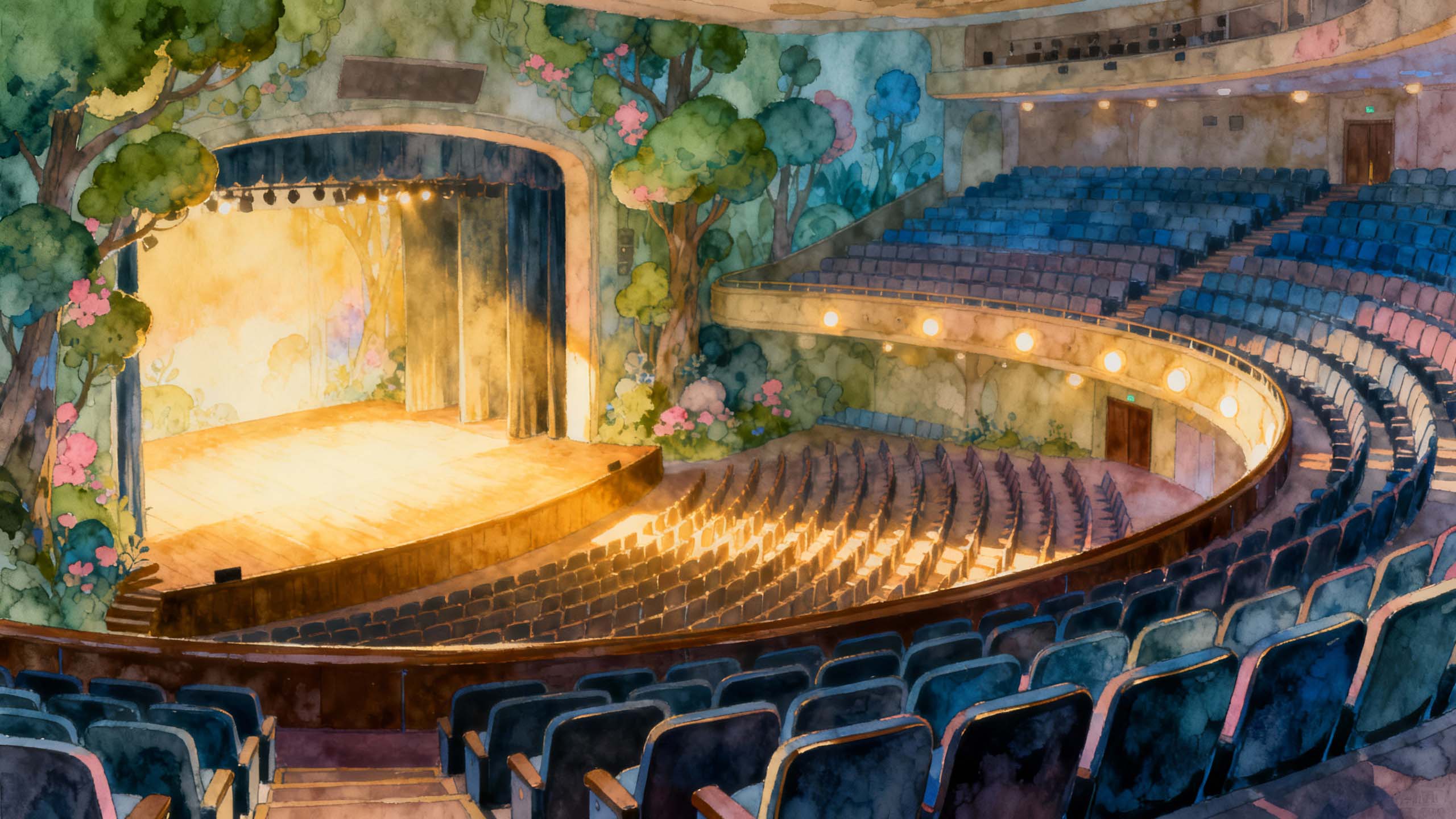
The psychology nobody talks about
General admission sounds easy. Pick a price, open the doors, let people float. But buyers don’t float. They hesitate.
Assigned seating removes the mental pause. When someone sees an actual seat, row B, seat 12, aisle left, suddenly the decision feels real. Personal. Slightly urgent.
You know what? People don’t want a ticket. They want their spot.
That’s why assigned seating tends to drive earlier sales. Buyers understand exactly what they’re getting, and more importantly, what they might lose if they wait. That front-center seat doesn’t feel theoretical. It feels like someone else could grab it in the next five minutes.
Earlier sales mean calmer planning
Early sales aren’t just nice for cash flow. They change how the entire event runs.
Earlier demand signals help planners adjust marketing spend, staffing, and even production decisions. You can tell if a Saturday night show needs a second date before it’s too late. You can stop guessing.
It’s like switching from weather vibes to an actual forecast.
And yes, assigned seating does some of that heavy lifting by creating clearer demand patterns. When specific sections start disappearing, the data tells a story fast.
Pricing tiers that actually make sense
Assigned seating also makes pricing tiers feel logical instead of arbitrary. Front orchestra costs more. Balcony costs less. People get it immediately.
With general admission, tiering often feels like a spreadsheet decision. With assigned seating, it feels earned.
That’s where revenue climbs. Buyers self-select into higher-priced seats without feeling nudged. They’re choosing proximity, sightlines, legroom, bragging rights. All very human motivations.
Honestly, it’s easier to justify a higher price when the seat proves its value without a paragraph of explanation.
The mild contradiction no one loves to admit
Assigned seating isn’t magic. Sometimes, it slows things down.
If your audience is young, casual, or used to rolling in late, too many choices can cause friction. Decision overload is real. Staring at a seat map for five minutes isn’t everyone’s idea of fun.
This is where assigned seating can work against you. Small venues. Punk shows. Pop-up events. Anything where the vibe is loose and the crowd wants speed.
Let me explain. Assigned seating shines when the experience benefits from predictability. When sight lines matter. When attendees plan ahead. When families, donors, or season ticket buyers are involved. If none of that applies, simpler might win.
When it’s absolutely worth it
Assigned seating tends to pay off when:
- The event has premium viewing areas
- You’re selling to planners, parents, or subscribers
- Pricing flexibility matters
- Early sales reduce stress downstream
Performing arts, concerts with reserved sections, lectures, graduations, and fundraisers often check every box. It’s less about the genre and more about buyer mindset.
What this really comes down to
Assigned seating isn’t a seating decision. It’s a sales decision.
It shapes urgency. It clarifies value. It turns “maybe later” into “I should grab this now.” And when it fits your audience, it does all that quietly, without flashy campaigns or constant discounts.
So before defaulting to general admission, ask yourself a better question. Do your buyers want freedom, or do they want certainty?
Sometimes, the fastest way to sell more tickets earlier is simply letting people choose their seat.